
Table of Contents
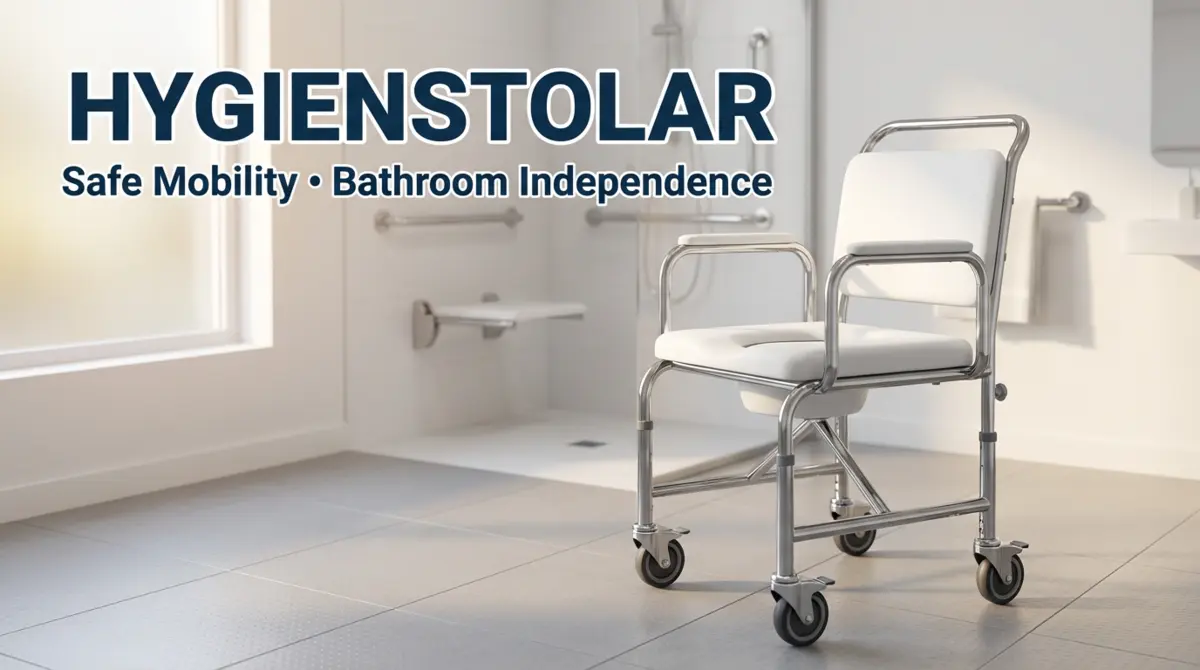
Walking into your grandmother’s assisted living facility, you notice something different in her bathroom—a specialized chair with wheels, armrests, and an opening in the seat. “That’s my hygienstolar,” she says proudly. “Makes everything so much easier.” You nod, but honestly have no clue what she’s talking about.
You’re not alone. Hygienstolar remains unfamiliar to most people until someone they care about needs one. Whether you’re researching for an aging parent, recovering from surgery yourself, or planning accessible home modifications, understanding hygienstolar can transform daily living from struggle to comfort. These specialized hygiene chairs serve over 2 million Americans dealing with mobility challenges, yet most families don’t learn about them until crisis hits.
Understanding What Hygienstolar Really Means
Hygienstolar comes from Swedish, combining “hygien” (hygiene) and “stolar” (chairs). In healthcare environments, the term describes chairs that enable people with mobility impairments to perform their hygiene activities.
The system functions like a bathroom chair which has been enhanced with additional capabilities. The hygienstolar system provides a central opening which enables users to use the toilet and shower facilities without needing transfers. The design creates a safe environment because it prevents users from performing movements which lead to falls through bending and twisting and standing on wet surfaces.

The chairs provide users with detachable waste containers and height adjustment features and wheel locks and armrests which have padding. Some models allow users to tilt back for hair washing while others let users switch between toilet use and showering. The engineering creates a single system which protects human dignity while allowing people to maintain their independence during their most sensitive times.
Most families encounter hygienstolar through hospitals or rehabilitation centers after surgery, stroke, or injury. Physical therapists recommend them when regular bathroom equipment becomes too challenging. The solution remains effective for patients who have arthritis or Parkinson’s disease or progressive disabilities which create bathroom safety challenges.
Why Hygienstolar Matters for Mobility-Limited Individuals
The most dangerous room in homes for falls occurs in bathrooms. The combination of slippery surfaces with tight spaces creates conditions that lead to injuries when people need to move through the area. The combination of your mobility restrictions with your daily activities creates an ongoing danger for you to experience.
Hygienstolar addresses this problem head-on. The toilet and shower system becomes accessible to users through these chairs which prevent users from needing to transfer their body weight according to occupational therapy data which shows a 60% reduction in fall risk. The data shows measured improvement in patient safety which proves that this statement exists beyond marketing hype.
The psychological benefit matters just as much. Experiencing bathroom needs requires assistance which brings feelings of shame because it takes away personal freedom. People tend to avoid drinking water and they postpone bathroom needs because they prefer to avoid asking for help. The result leads to health problems which include dehydration and urinary complications.
A well-designed hygienstolar restores privacy and control. Users maintain their dignity while they complete their tasks either alone or with limited assistance. Caregivers experience less physical strain too, since they’re not supporting full body weight during transfers.
For families choosing between home care and facility placement, hygienstolar often tips the scale toward staying home. The combination of safety, independence, and comfort makes daily life manageable in ways standard bathroom equipment simply can’t match.
Types of Hygienstolar Available Today
Not all hygienstolar look or function the same. Your needs determine which type makes sense.
Basic commode chairs represent the simplest design—a chair frame with open seat and removable bucket underneath. These work well for bedside use at night or in rooms far from bathrooms. They’re lightweight, affordable (starting around $60), and require no special setup. The downside? Limited features and you’ll need to empty buckets regularly.
Wheeled shower chairs add mobility to the equation. These roll directly into walk-in showers with waterproof construction and rust-resistant materials. Most include brakes for stability during use. Prices range from $150-400 depending on weight capacity and adjustability. They’re ideal for people who can transfer independently but need support while bathing.
Combination models serve double duty as both toilet and shower chairs. These versatile options work for smaller bathrooms or limited budgets. You wheel them between uses, though you’ll need to clean them thoroughly when switching functions. Expect to pay $200-600 for quality combination units.
Bariatric hygienstolar handle higher weight capacities, typically 400-600 pounds. They feature reinforced frames and wider seats without sacrificing maneuverability. These cost more ($400-800) but provide essential safety for larger individuals who need the same dignity and independence.
Reclining models assist users who can’t sit upright comfortably. The tilting mechanism helps with hair washing, positioning adjustments, or users with severe weakness. These represent the premium tier at $600-1,200 but offer unmatched versatility for complex needs.
Choosing the Right Hygienstolar for Your Situation
Buying a hygienstolar isn’t like picking up a shower stool at the drugstore. You need to match features to actual needs, bathroom layout, and budget realities.
Start with weight capacity. Most standard models handle 250-300 pounds. Be honest about requirements—exceeding limits creates dangerous situations. Add 20-30 pounds beyond body weight to account for movement and transfers.
Seat height affects transfer ease. Measure from floor to knee bend when sitting. Most hygienstolar adjust between 18-24 inches, but verify before purchasing. Too high or low makes transfers exhausting and risky.
Consider bathroom dimensions carefully. Measure doorways (standard 24 inches), shower entrances, and maneuvering space. Wheels add width—a 22-inch seat becomes 26 inches total with armrests and wheels. You need clearance for safe navigation.
Armrest style matters more than you’d think. Fixed arms provide stability but complicate transfers. Flip-up or removable arms allow easier side approaches when space is tight. Some people need both features at different times.
Don’t overlook material quality. Rust-resistant frames (aluminum or coated steel) last longer in humid bathrooms. Cushioned seats provide comfort but need waterproof covering that dries quickly. Wheels should be large enough (3-4 inches) to handle bathroom thresholds without catching.
Assembly requirements vary widely. Some arrive fully assembled while others need construction. If you’re not handy with tools or dealing with urgent medical discharge, pay extra for pre-assembled models or professional setup.
Real-World Benefits Beyond Basic Function
Families consistently report benefits they didn’t anticipate when first getting hygienstolar.
Caregiver strain drops dramatically. My friend Maria dreaded helping her father with bathroom tasks after his hip replacement—not from embarrassment, but from fear of hurting her back. Once they got a wheeled hygienstolar, she could position him safely without heavy lifting. Her physical therapy bills decreased after two months of easier caregiving.
Hospital readmissions decline when homes have proper equipment. Falls during recovery send thousands of people back to emergency rooms annually. A $300 hygienstolar prevents a $15,000 hospitalization—pretty good return on investment.
Social isolation decreases as well. People regain confidence visiting family or attending events when they know accessible bathrooms await. Some models fold for transport, enabling day trips and outings that seemed impossible before.
The psychological shift shouldn’t be underestimated. Users report feeling less like patients and more like themselves again. Maintaining bathroom independence preserves a core aspect of adult dignity that nursing care, however compassionate, can’t fully replace.
For temporary needs after surgery, hygienstolar makes recovery faster and safer. You’re not stuck with a permanent modification that screams “medical equipment.” Most families sell or donate chairs after recovery, though many keep them “just in case” for future needs.
Common Mistakes When Selecting Hygienstolar
Learning from others’ errors saves time, money, and frustration.
Choosing based on price alone tops the list. That $50 basic model seems smart until you realize it lacks wheels, can’t adjust height, or tips easily. Spending $200-300 upfront beats replacing cheap equipment after someone gets hurt.
Ignoring bathroom layout creates problems fast. Several families told me about buying hygienstolar that wouldn’t fit through doorways or couldn’t turn in tight bathrooms. Measure twice, order once.
Overlooking caregiver needs happens frequently. The user might prefer a particular model, but if caregivers can’t maneuver it safely, nobody wins. Include everyone who’ll handle the equipment in decision-making.
Skipping professional assessment costs more than it saves. Medicare often covers occupational therapist evaluations that identify specific needs and appropriate equipment. These professionals spot requirements you wouldn’t consider on your own.
Forgetting about maintenance disappoints buyers later. Some models need frequent cleaning of moving parts or replacement cushions. Ask about upkeep before purchasing, especially for long-term use.
Failing to test alternatives limits options. Medical supply stores usually let you try equipment before buying. Sitting in a hygienstolar for five minutes reveals comfort issues you can’t gauge from photos. Take advantage of trial opportunities whenever possible.
Insurance Coverage and Cost Considerations
Money matters, so let’s address it directly.
Medicare Part B covers hygienstolar as durable medical equipment when prescribed by doctors for medical necessity. You’ll pay 20% after deductible. The catch? Medicare only covers basic models meeting their criteria, not premium options with extra features.
Medicaid coverage varies by state. Some states cover more equipment types than others. Contact your state Medicaid office for specific guidelines. Generally, medical necessity must be documented for approval.
Private insurance often follows Medicare guidelines but may offer better coverage. Review your plan documents or call member services. Some policies cover rental options that reduce upfront costs.
Veterans benefits through VA healthcare include durable medical equipment for eligible veterans. The VA often provides higher-quality equipment than standard Medicare, so explore this option if applicable.
Out-of-pocket costs range dramatically based on features needed. Basic models start around $60, while premium units reach $1,200. Most families spend $200-400 for equipment meeting their needs adequately.
Rental programs exist through medical supply companies. You pay $40-80 monthly instead of full purchase price. This works well for short-term recovery needs or trial periods before committing to purchase.
Used equipment saves money if you’re comfortable with it. Hospital thrift stores, medical supply consignment shops, and online marketplaces offer gently used hygienstolar at 50-70% off retail. Just verify it meets current safety standards and weight requirements.
FAQs About Hygienstolar
What’s the difference between a hygienstolar and a regular shower chair?
Hygienstolar shower chairs offer different features because their open center seat design serves bathroom needs through its first use and their built-in wheels enable users to transport the chair while its height adjustment system and safety features which include armrests and locking brakes add extra security. The bathroom facility offers multiple hygiene functions which enable users with severe mobility challenges to receive full support during their bathroom activities.
How do I know if my parent needs a hygienstolar?
Watch for warning signs through these specific activities: difficulty standing from toilets and fear of falling in the shower and bathroom trips and recent falls and increasing caregiver assistance and recovery from surgery which affects their mobility. A hygienstolar assessment makes sense when your parent needs bathroom support because they cannot use standard equipment safely and their caregivers face physical strain from their care needs. Occupational therapists can evaluate and recommend appropriate equipment.
Can hygienstolar fit in standard bathrooms?
Most hygienstolar models fit standard bathrooms, but measurement matters. Doorways typically measure 24 inches wide—verify your chair’s total width including wheels and armrests doesn’t exceed this. For shower access, check threshold height and door clearance. Compact models designed for tight spaces measure 20-22 inches wide and maneuver well in smaller bathrooms. Walk-in showers accommodate hygienstolar more easily than tub-shower combinations.
How do you clean and maintain a hygienstolar?
Clean after each use with disinfectant wipes or soap and water, paying attention to seat openings and armrest surfaces. Remove and empty waste buckets immediately, washing them with bathroom cleaner. Check wheels monthly for hair or debris wrapped around axles. Inspect brakes to ensure they lock securely. Lubricate moving parts every few months with silicone spray. Replace seat cushions when they crack or retain odors despite cleaning. Store in dry areas when not in use to prevent rust.
Does Medicare cover hygienstolar purchases?
Medicare Part B covers hygienstolar as durable medical equipment when doctors prescribe it for medical needs. You pay 20% of approved costs after meeting annual deductible. Basic models which meet Medicare specifications receive coverage; premium features and designer colors are not included. Your doctor must document medical need and order from Medicare-approved suppliers. Medicare covers repairs and replacements when medical needs require them, but there are limits on how often these repairs and replacements can happen.
Can hygienstolar be used for both toilet and shower?
The combination hygiene station and stolar model which includes combination hygienistolar units. The products provide waterproof protection together with frames that resist rust and building designs which work in wet conditions. The user can move the equipment between the toilet and shower area whenever required. The equipment requires complete cleaning procedures between each usage to maintain hygienieness. Users choose to use different chairs because they want to prevent cross-contamination and they dislike having to move their chairs. The dedicated chairs which serve each function provide superior long-term value when space and budget conditions permit their use compared to using combination units.
What weight capacity do I need?
The user needs to select a weight capacity which exceeds their actual weight by a minimum of 50 pounds to ensure they can move safely. Standard models support 250-300 pounds while bariatric versions handle 400-600 pounds. Future requirements should be considered because progressive conditions will lead to weight fluctuations. Higher capacity chairs have wider seats and stronger frames which enhance stability for all users, so people should consider them because their current weight capacity meets their needs.
Making Hygienstolar Work in Your Life
Successfully integrating hygienstolar requires more than just buying equipment and hoping for the best.
The process begins with complete site installation which needs to be done. Transfer activities occur most effectively when equipment placement occurs either next to the toilet or at the shower entry point. The system needs to provide dependable wheel lock functions while maintaining clear pathways for emergencies. The bath mats need removal because they create wheel obstacles which should be replaced with non-slip strips.
Establish a system which requires you to operate it at scheduled times. People with cognitive impairments need consistent environments which assist them in their adjustment process. The same time frame exists for daily bathing while the person requires the same bathroom space to complete their transfer process. When people expect their life to happen in predictable ways, it creates less anxiety for them while they develop increased self-assurance.
People need to express their requirements through direct communication, which should include their particular desires. Users might feel embarrassed asking for equipment modifications or admitting something isn’t working. Regular check-ins about comfort, safety concerns, or adjustment needs prevent small problems from becoming big issues.
Train all personnel who will deliver patient care. Caregivers need to understand proper transfer techniques, brake operation, and cleaning protocols. Training deficiencies create two problems because they increase workplace dangers while they cause damage to facilities. Most medical supply companies offer brief training sessions—take advantage of them.
The organization needs to prepare its staff for emergency situations. The person needs to have a mobile phone which stays within reach when they use the bathroom. The assessment of automatic medical alerts becomes necessary when users spend time with no one else present. The procedure requires users to learn how to help others move between their wheelchairs and walkers.
People need to adjust their expectations to match their current abilities. The hygienestotal system enables users to achieve independence, but users must first learn its functions. The system requires two to three weeks for all users to complete their training before assessment starts. Most initial resistance fades once benefits become obvious through daily use.
Moving Forward with Confidence
The selection of hygienic toilet equipment provides a practical solution which enables people with mobility disabilities to achieve safer and more dignified daily activities. The specialized chairs which we offer provide wheelchair users with superior advantages which standard bathroom equipment cannot deliver to them.
Start by assessing actual needs honestly—what transfers feel dangerous now? Where do current struggles happen? Then select appropriate features which match those needs instead of making random purchases. The user group should be included in decision-making processes because their comfort needs to take priority over convenience for their caregivers.
Organizations should establish safety protocols to protect against falls and other emergencies. Equipment selection which occurs before incidents helps organizations maintain safer work environments. The transition from crisis management to prevention creates an entire transformation which impacts all aspects of life for individuals facing difficult situations. The difference between home struggles and home success occurs for families who support mobility-impaired loved ones through their use of hygienstolar equipment.